
Introducing the FLIR Si2a-Pro: Continuous Acoustic Monitoring for Critical Assets
Monitoring What Happens
Between Inspections: The FLIR Si2a-Pro
Wednesday 30th September 2026
Introducing the FLIR Si2a-Pro: Continuous Acoustic Monitoring for Critical Assets
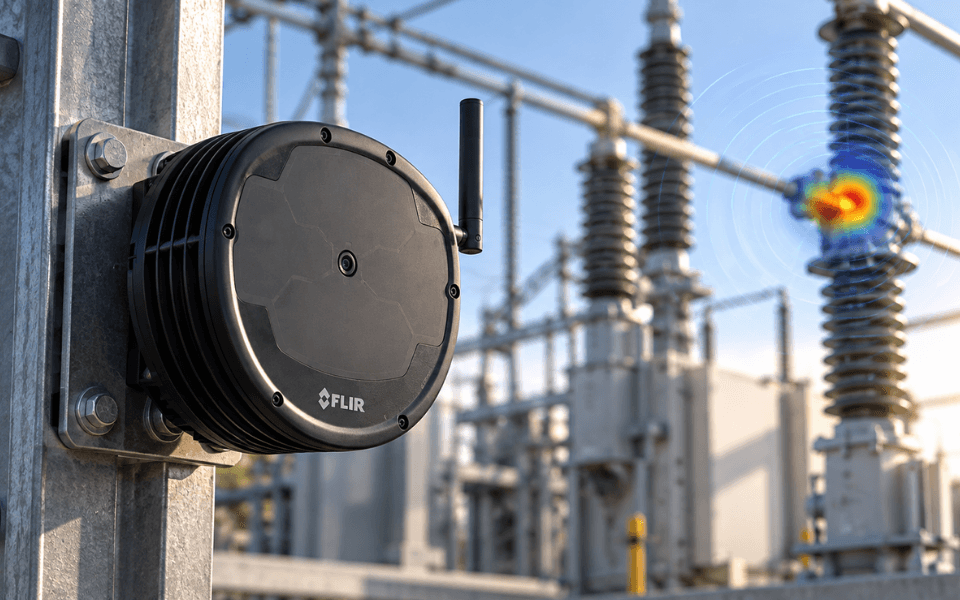
FLIR has launched the Si2a-Pro, a new fixed-mount acoustic imaging camera designed for continuous monitoring of critical electrical and industrial assets. Building on FLIR’s existing acoustic imaging technology, the Si2a-Pro moves beyond periodic handheld inspection by providing 24/7 monitoring for partial discharge and pressurised gas leaks.
The system is designed to detect, locate and assess potential faults from distances of up to 200 metres, helping maintenance teams identify developing issues while reducing the need for personnel to routinely approach hazardous or difficult-to-access equipment.
For organisations already using acoustic imaging as part of their inspection strategy, the launch represents an important shift: from taking periodic acoustic snapshots of an asset to keeping a continuous watch over it.
What is the FLIR Si2a-Pro?
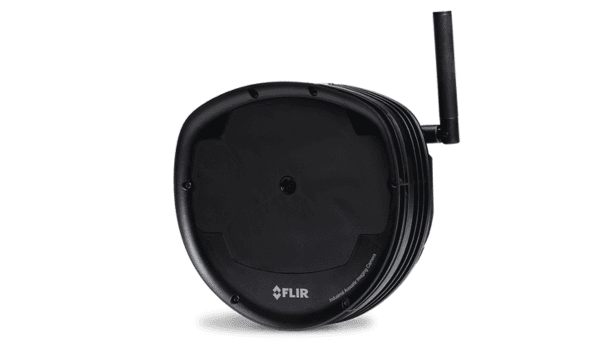
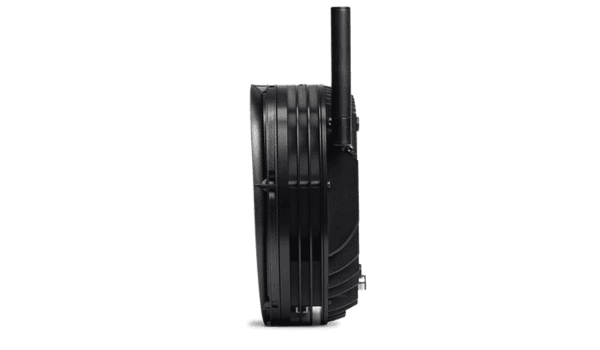
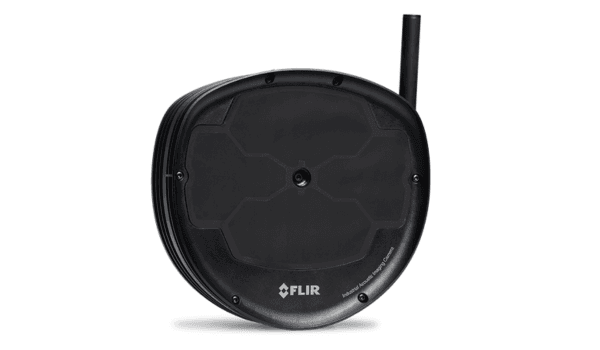
The Si2a-Pro is a permanently installed acoustic imaging system built around a 124-microphone array and a 12 MP digital camera.
Once installed overlooking critical equipment, it continuously monitors for the ultrasonic signals associated with electrical partial discharge or escaping pressurised gases. When abnormal activity is detected, the system can help locate the source and provide additional information about the severity or scale of the issue.
Key capabilities include:
-
Partial discharge detection and classification – identifying surface discharge, internal discharge, corona and floating discharge.
-
Pressurised gas leak detection – automatically recognising leaks and helping pinpoint their source.
-
Leak quantification – estimating leak size and calculating the associated annual cost.
-
Automated severity assessment – helping maintenance teams understand which issues may require more urgent attention.
-
System integration – connecting with SCADA, alarm and wider condition-monitoring systems to support existing maintenance workflows.
That combination of fixed installation, remote monitoring and automated analysis is what distinguishes the Si2a-Pro from a traditional inspection tool.
Why continuous monitoring matters
Periodic inspections remain an essential part of asset management, but they inevitably capture conditions at a particular point in time. A compressed-air leak might begin several hours after an inspection has taken place. Partial discharge may only appear under certain electrical loads or environmental conditions. An issue could also develop on equipment that is difficult to access regularly.
Periodic inspection vs continuous acoustic monitoring
| Periodic Inspection | Continuous Acoustic Monitoring |
|---|---|
| Captures asset condition at a specific point in time | Provides ongoing visibility of asset condition |
| Conducted at scheduled intervals | Monitors selected assets 24/7 |
| May miss intermittent faults between inspections | Can detect small or intermittent events as they occur |
| Requires personnel to attend the asset | Supports remote monitoring from a fixed installation |
| Useful for planned inspection and troubleshooting | Supports ongoing condition monitoring and earlier fault awareness |
This is where the Si2a-Pro’s fixed-mount approach becomes particularly valuable, especially in environments where reliability, safety or access are major considerations.
Application 1: Substations and high-voltage equipment
Electrical infrastructure is one of the clearest applications for the Si2a-Pro.
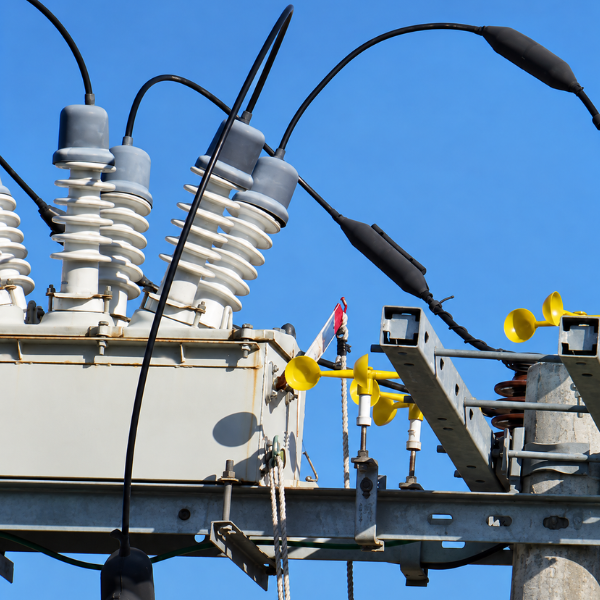
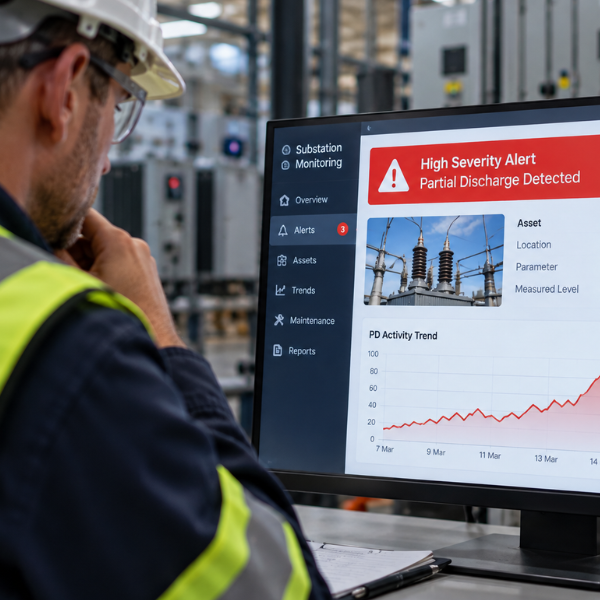
Partial discharge can occur when electrical insulation begins to deteriorate or when defects are present within high-voltage systems. Detecting this activity early can help maintenance teams investigate developing problems before they progress further.
The Si2a-Pro can identify surface discharge, internal discharge, corona and floating discharge, making it suitable for monitoring equipment such as switchgear, substations and gas-insulated systems.
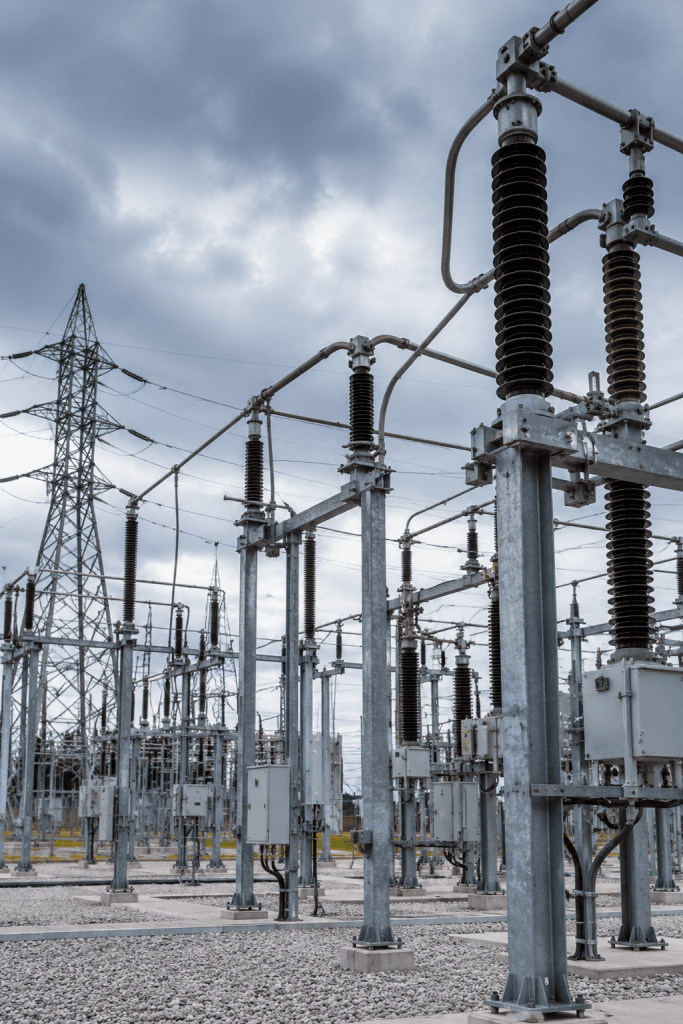
Consider a substation that is inspected at regular intervals.
A handheld acoustic inspection may show that everything is operating normally during the engineer’s visit. But if partial discharge only becomes apparent later under higher electrical load, or under different environmental conditions, that activity could remain undetected until the next inspection.
A fixed acoustic imaging system provides continuous visibility.
If abnormal acoustic activity develops, maintenance teams can identify where it is occurring and assess the severity of the event before deciding on the most appropriate next step.
The ability to monitor from distances of up to 200 metres may also reduce the need for personnel to routinely approach energised equipment simply to determine whether a problem is developing.
Application 2: Compressed-air systems
Compressed-air systems are another strong application for continuous acoustic monitoring.
Leaks can develop across fittings, hoses, valves, couplings and other components. While a single small leak may appear relatively minor, multiple leaks across a large facility can contribute to unnecessary energy use and place additional demand on compressors.
Scheduled leak surveys are an effective way to identify these losses, but they are still snapshots of system condition.
Imagine instead that a Si2a-Pro is permanently positioned within a compressor room or overlooking a particularly important section of a compressed-air network.
If a connection begins leaking shortly after a maintenance inspection, the camera can detect the ultrasonic signal generated by the escaping air and locate its source.
The system can also estimate the size of the leak and calculate its associated annual cost.
That gives maintenance teams more information when deciding which repairs to prioritise.
Rather than simply knowing that several leaks exist, they can begin to identify which ones are likely to have the greatest financial impact and plan maintenance accordingly.

Application 3: Pressurised gas installations
The same principle extends beyond compressed air.
The Si2a-Pro can detect pressurised gas leaks and quantify leakage for a range of gases including ammonia, argon, carbon dioxide, helium, hydrogen, methane, natural gas and nitrogen.
This creates potential applications across process manufacturing, energy, chemical production and other industries where pressurised gases form part of normal operations.
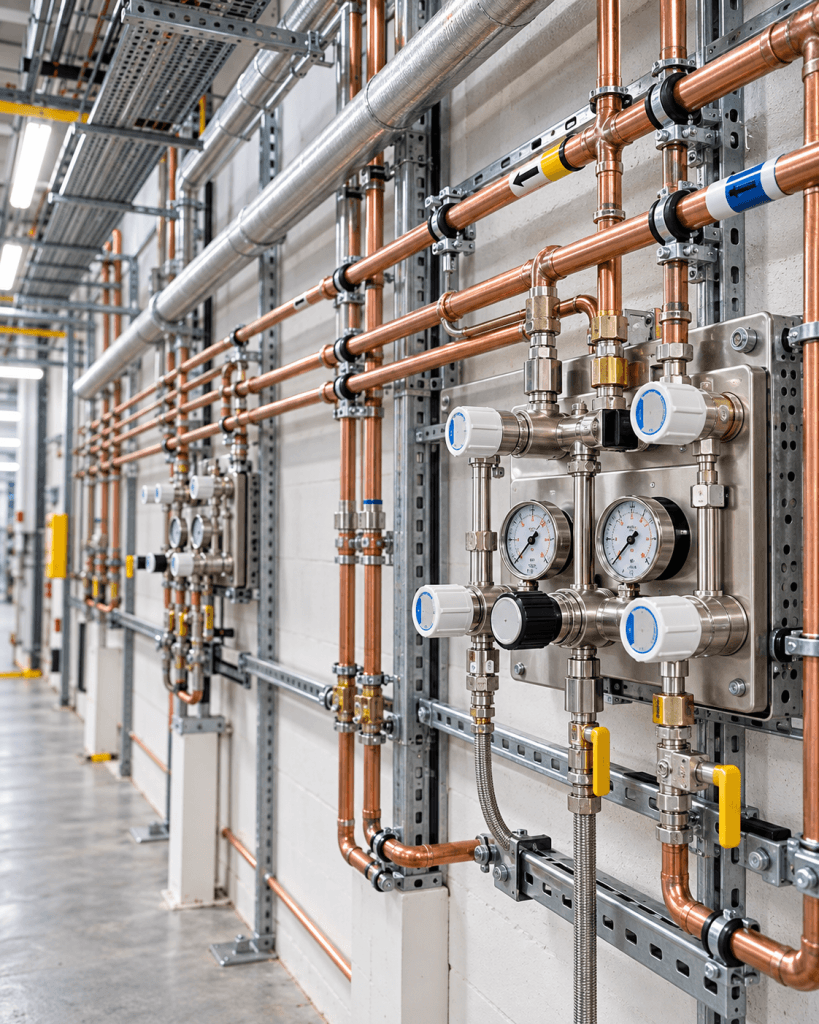
Take a production environment using nitrogen.
A small leak develops around a connection within an area that is not continuously occupied. Depending on the site’s inspection schedule, that leak could remain undetected for a period of time.
Continuous acoustic monitoring provides an opportunity to identify the event earlier.
For higher-value gases, the ability to estimate leak size can also help maintenance teams understand the likely financial impact and prioritise intervention.
The same approach may be useful where pipework or process equipment is installed in elevated, restricted or hazardous areas, reducing the need for personnel to access those locations simply to determine whether a leak is present.
Application 4: Remote and difficult-to-access assets
Not every critical asset is located somewhere convenient.
Electrical equipment may be distributed across a large site. Industrial systems may be installed at height, outdoors or inside restricted areas. Some locations require additional permits, protective equipment or shutdown procedures before personnel can enter.
In these situations, the value of continuous monitoring extends beyond fault detection.
Manual inspection carries a cost in engineering time, travel, access equipment and safety procedures.
Installing a fixed monitoring system means selected assets can remain under observation between physical inspections.
The Si2a-Pro has an IP66-rated enclosure for industrial environments and supports permanent VESA mounting. Its ability to integrate with SCADA, alarm and condition-monitoring systems also means acoustic monitoring can become part of a broader site-wide monitoring strategy.
For organisations responsible for dispersed or hazardous assets, that can make acoustic information easier to access without increasing the frequency of manual inspection rounds.
Supporting Predictive Maintenance
Continuous monitoring is not just about finding faults earlier. It also gives maintenance teams more information to decide what should happen next.
By tracking partial discharge activity and pressurised gas leaks over time, the Si2a-Pro can help teams identify developing problems, understand severity and prioritise intervention more effectively.
Instead of relying solely on scheduled inspections, maintenance teams can ask more useful questions about asset condition and maintenance priorities:
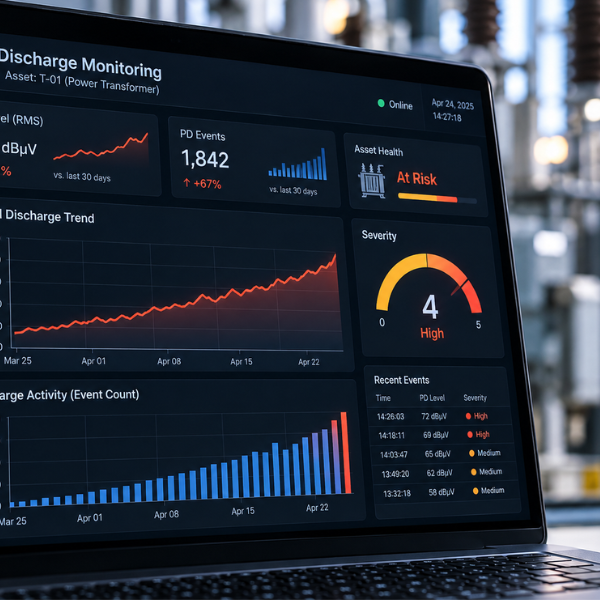

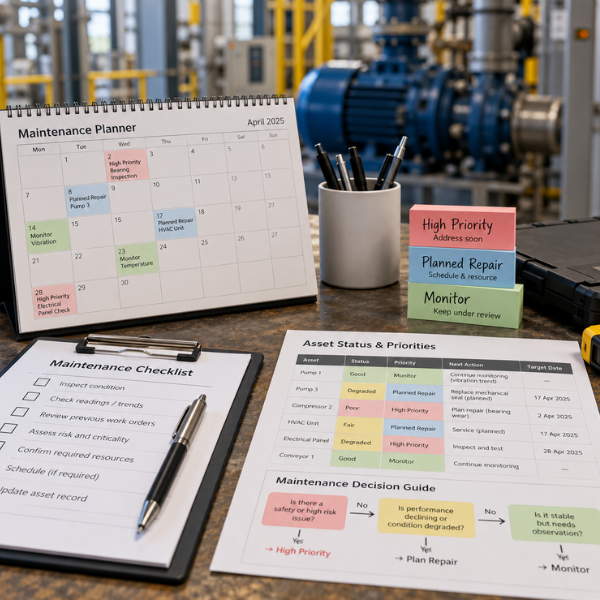
Which assets are showing signs of deterioration?
Which partial discharge events are becoming more severe?
Which leaks are creating the greatest ongoing cost?
Which issues can be monitored before intervention is needed?
Which faults require immediate investigation?
This data-driven approach can help organisations focus maintenance resources where they are needed most, while supporting wider condition-based and predictive maintenance strategies.
Not Every Partial Discharge Event Requires Immediate Intervention
Detecting partial discharge does not necessarily mean an asset is about to fail. The challenge is understanding the severity of the event and deciding what action, if any, is required.
The FLIR Si2a-Pro supports this process by continuously monitoring critical electrical assets for partial discharge, including surface discharge, internal discharge, corona and floating discharge. Its AI-based severity assessment can also provide recommended actions, helping maintenance teams prioritise which issues require closer investigation.
The value lies not simply in detecting an event, but in giving teams more context to support maintenance decisions and avoid treating every alarm in the same way.
From periodic inspection to continuous monitoring
The launch of the FLIR Si2a-Pro reflects a broader change in how condition monitoring is being approached.
Handheld acoustic cameras remain extremely useful for planned surveys, troubleshooting and routine inspection. But there are limits to what any periodic inspection can capture.
Continuous monitoring addresses the periods between those inspections.
For a substation, that could mean detecting intermittent partial discharge as soon as it appears. In a compressor room, it could mean identifying a leak shortly after it develops. In a process environment, it could provide an additional layer of monitoring around equipment that is difficult or hazardous to inspect regularly.
That is perhaps the most important aspect of the Si2a-Pro launch.
It is not simply another acoustic camera. It represents a move towards treating acoustic imaging as a permanent source of condition data.
And for maintenance teams responsible for critical assets, that could make what happens between inspections just as visible as what happens during them.
Categories


Top Posts
-
Essential Tools for Electricians19 Jul 2024 How To Guides
-
10 Essential Electrical Test Instruments on a Budget09 Feb 2026 Buying Guides
-
How to Check Indoor Humidity in Your Home27 Feb 2026 Industry Insights
-
Choosing the Right Kewtech Multifunction Tester: KT64DL vs KT65DL vs KT66DL26 Jun 2025 Buying Guides
-
Gas Engineers' Guide: Choosing the Right Flue Gas Analyser28 Oct 2025 Buying Guides
Upcoming Events
More events to be announced…
Newsletter
Sign up to our newsletter for exclusive news, offers, and discounts