



How Landlords Can Choose the Right
Moisture Tester for Property Inspections

Tuesday 17th March 2026
Choosing the Right Moisture Tester for Landlords
A practical guide to moisture meters, helping landlords detect damp early, prevent mould problems, and protect their rental properties from costly moisture damage.
Moisture problems are one of the most common — and expensive — issues landlords encounter in rental properties. Damp walls, mould growth, peeling paint, and warped flooring often appear gradually, and by the time these symptoms become visible the underlying problem may already be well established.
In many cases, moisture builds up inside walls, flooring, or structural materials long before tenants notice anything unusual. A small plumbing leak, poor ventilation, or water penetration from outside can slowly raise moisture levels until mould begins to grow or materials start to deteriorate.
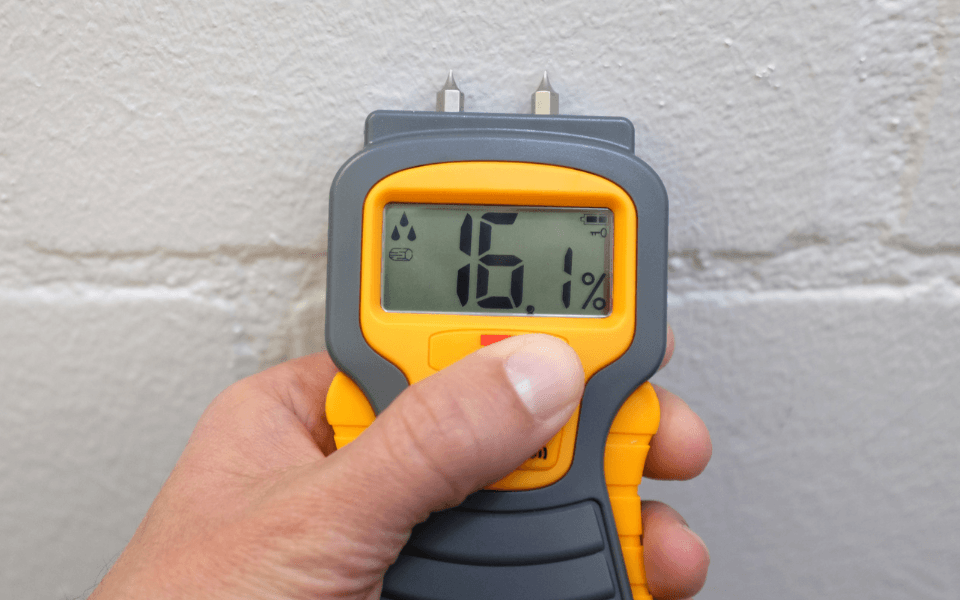
For landlords, early detection is essential. A moisture tester (also called a moisture meter) allows you to measure the moisture levels within building materials quickly and easily. Used during routine inspections, these tools can help identify developing damp issues before they turn into major repairs.
Why Moisture Testing Is Worth It for Landlords
Moisture meters are not just tools for professional surveyors. They can be extremely useful for landlords who want to protect their property and respond quickly to maintenance issues.
In many cases, damp problems begin long before they become visible. Moisture may slowly build up inside walls, beneath flooring, or around plumbing fixtures without any obvious signs. By the time mould appears or materials begin to deteriorate, the problem may already be well established.
Using a moisture tester during property inspections allows landlords to check suspect areas quickly and gain a clearer understanding of what may be happening behind the surface.
Using a moisture tester during property inspections can help you:
- Identify leaks before they cause visible damage
- Investigate tenant complaints about damp or mould
- Check high-risk areas like bathrooms and kitchens
- Monitor walls after plumbing repairs
- Detect moisture after flooding or heavy rain
- Confirm whether damp patches are spreading
These checks can also provide reassurance when tenants report potential issues. A quick moisture reading can help determine whether a problem requires immediate investigation or whether the surface simply needs time to dry.
The key advantage:
Moisture testers provide measurable data, rather than relying solely on visual signs or guesswork. This makes it much easier to monitor changes over time and identify areas that may need further attention.
The Two Main Types of Moisture Testers
When searching for a moisture tester, landlords will usually encounter two main types. Both are useful, but they work slightly differently and are suited to different situations.

Pinless Moisture Meters
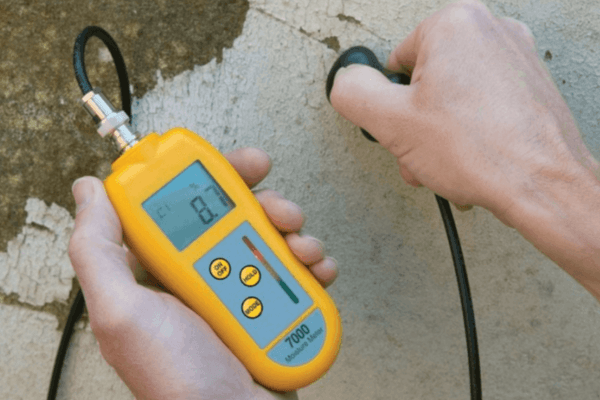
Pinless meters scan moisture levels using electromagnetic sensors. Instead of inserting probes, you simply press the meter against the surface.
Best used for:
- Plasterboard walls
- Painted surfaces
- Drywall
- Floors and ceilings
Pros
- Non-invasive (no holes)
- Fast scanning across large areas
- Ideal for property inspections
Cons
- Slightly less precise than pin meters
- Readings can be affected by dense materials

Pin Moisture Meters
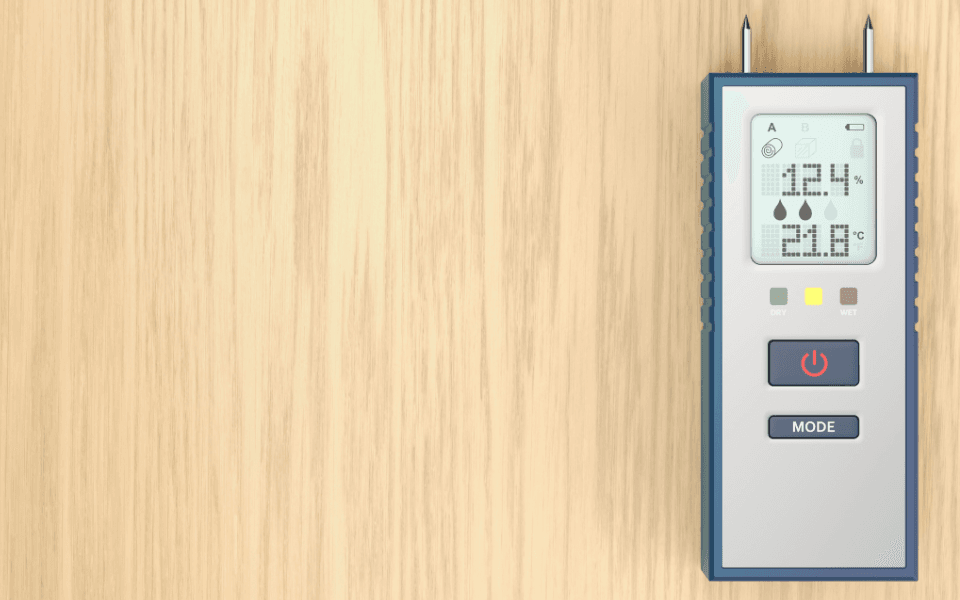
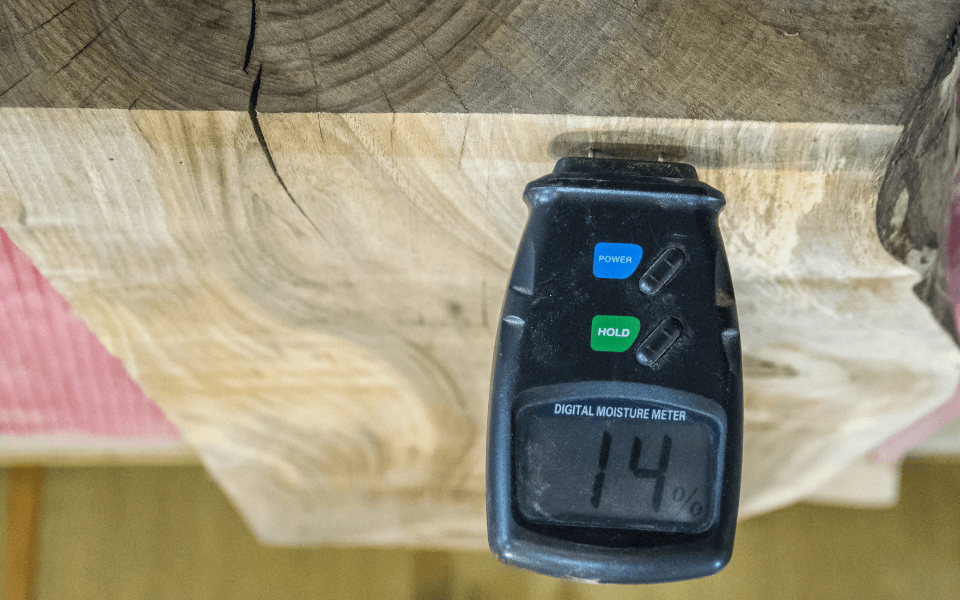
Pin meters use two small probes that are inserted into the material being tested. The meter measures electrical resistance between the pins to determine the moisture level.
Best used for:
- Timber beams
- Wooden flooring
- Structural wood
- Furniture or cabinetry
Pros
- Very accurate readings
- Can measure moisture deeper in materials
- Ideal for wood structures
Cons
- Leaves small pinholes in surfaces
- Slower when testing multiple areas
What Landlords Should Look for in a Moisture Tester


Not all moisture meters are designed with property inspections in mind. When choosing a meter, several features can make a significant difference in usability.
| Feature | Why It Matters |
|---|---|
| Measurement range | Helps detect both minor moisture increases and severe damp |
| Material settings | Improves accuracy when testing wood, plaster or concrete |
| Scanning depth | Allows detection of moisture beneath the surface |
| Clear display | Makes readings easier during quick inspections |
| Durability | Important when carrying tools between properties |
Many modern moisture meters also include colour indicators, which quickly show whether moisture levels are normal, elevated, or potentially problematic. These visual guides make it easier to interpret readings at a glance, particularly during quick inspections or when scanning multiple areas of a property.
Where Moisture Problems Usually Start
During property inspections, certain areas of a home are far more likely to develop moisture problems. Testing these locations first can often reveal issues quickly.


🛁 Bathrooms
Bathrooms combine high humidity with regular water use, making them a common location for hidden moisture.
🍳 Kitchens
Leaks behind appliances or under cabinets can remain unnoticed for long periods without regular inspection.
🧱 External Walls
Walls exposed to heavy rainfall can develop penetrating damp if external materials become damaged.
🪟 Windows and Frames
Condensation often forms around windows, especially during colder months.
Check around:
- Shower enclosures
- Bath edges and sealant
- Sink units
- Tiled walls
Focus on:
- Dishwashers
- Washing machines
- Sink plumbing
- Flooring beneath cabinets
Test:
- Lower sections of walls
- Areas near gutters or downpipes
- Walls facing prevailing weather
Repeated moisture readings around window frames may indicate:
- Poor ventilation
- Insulation issues
- Hidden water ingress
✔ A Quick Inspection Method Landlords Can Use
Moisture testing doesn’t need to be complicated. A simple process can make inspections much more effective.
Step-by-step approach:
Start with high-risk rooms (bathrooms and kitchens).
Scan walls at different heights — moisture often collects lower down.
Compare readings across multiple spots on the same wall.
Test nearby rooms if a high reading appears.
Look for patterns rather than relying on a single reading.
If an area consistently shows elevated moisture compared with surrounding surfaces, it may indicate an underlying problem that requires further investigation.
Moisture Testing vs Repair Costs
A moisture meter is a relatively small investment compared to the cost of damp-related repairs. While the device itself is typically inexpensive, it can help landlords identify developing moisture issues early, before they lead to significant damage. Detecting damp at an early stage often means simpler repairs, lower costs, and far less disruption for tenants.
| Item | Typical Cost |
|---|---|
| Basic moisture tester | £30 – £150 |
| Professional mould removal | £500 – £3,000 |
| Damp proofing treatment | £2,000+ |
| Structural timber repairs | £3,000 – £10,000 |
Detecting a problem early can often reduce repair costs dramatically. Small issues, such as minor leaks or early signs of damp, are usually far easier and less expensive to fix before they have time to spread or cause structural damage.
Final thoughts
For landlords, moisture testers are a simple but powerful preventative tool. They allow you to detect hidden moisture problems early, investigate tenant concerns more effectively, and monitor areas of a property that are prone to damp.
In many cases, moisture-related issues develop gradually and remain unnoticed until visible damage or mould appears. Having a moisture tester available during inspections allows landlords to identify potential warning signs sooner and take action before problems escalate.
Pin meters offer excellent accuracy for timber and structural materials, while pinless meters provide quick and convenient scanning for walls and floors. For many landlords conducting regular inspections, a reliable pinless meter offers the most practical balance of speed and ease of use, especially when checking multiple rooms or large wall surfaces.
Regular moisture testing can also help landlords keep better records of property conditions over time. By comparing readings during inspections, it becomes easier to recognise unusual changes that may indicate developing leaks, condensation issues, or external water penetration.
By incorporating moisture testing into routine property inspections, landlords can catch developing problems sooner, reduce repair costs, and maintain healthier living conditions for tenants. Over time, this small step can make a significant difference in protecting both the property and the landlord’s long-term investment.
Categories
Top Posts
-
Essential Tools for Electricians19 Jul 2024 How To Guides
-
FLUKE BAFGAFF Special Offer18 Feb 2025 Promotions & Deals
-
10 Essential Electrical Test Instruments on a Budget09 Feb 2026 Buying Guides
-
Landlord Mould Responsibility: Am I Legally Required to Fix It?12 Feb 2026 Industry Insights
-
How to Check Indoor Humidity in Your Home27 Feb 2026 Industry Insights
Upcoming Events
More events to be announced…
Newsletter
Sign up to our newsletter for exclusive news, offers, and discounts