Everything You Need

for a Home EV Charger Installation

Tuesday 21st April 2026

What You Need in Your EV Charger Installation Kit

As electric vehicles (EVs) continue to gain momentum across the UK, more homeowners are recognising the value of installing a dedicated home charging point. Public charging networks are improving, but they still can’t match the convenience, cost savings, and reliability of charging your vehicle at home.

However, many people assume that installing an EV charger is as simple as choosing a unit and plugging it in. In reality, a safe and efficient installation involves a range of components working together—from electrical protection systems to mounting hardware and smart connectivity features. Without the right setup, you risk slower charging speeds, higher costs, or even safety issues.

That’s where understanding your EV charger installation kit becomes essential.

A complete installation kit isn’t just about the charger itself. It includes everything required to safely deliver power from your home’s electrical supply to your vehicle, while complying with UK regulations and ensuring long-term reliability. Whether you’re installing your first charger or upgrading an existing setup, knowing what’s involved will help you make informed decisions and avoid unexpected costs.

In this guide, we’ll walk through everything you need in an EV charger installation kit—breaking down each component, explaining its purpose, and helping you understand how it all fits together for a seamless home charging experience.

1. The EV Charger Unit

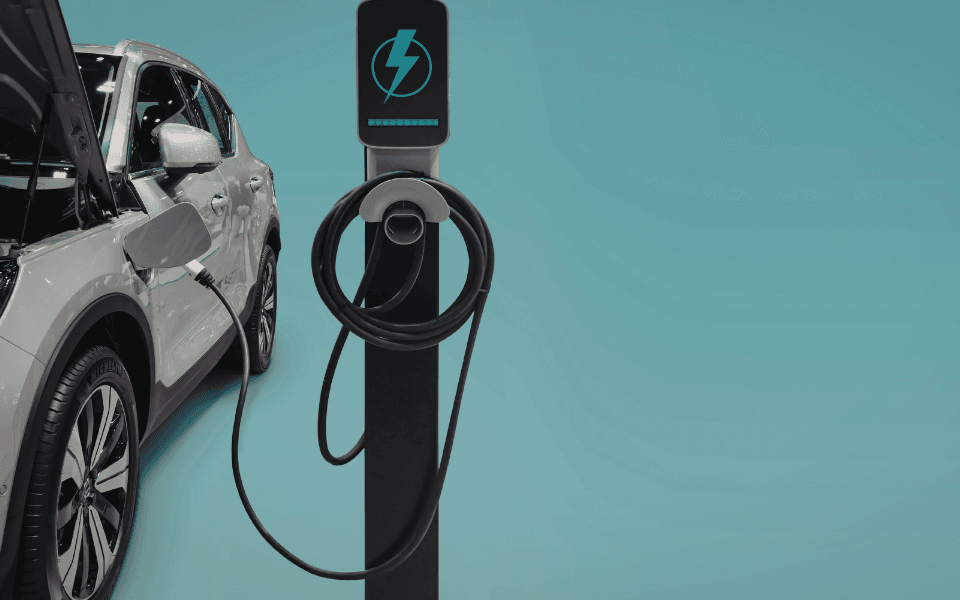
At the heart of any installation kit is the EV charger itself. Choosing the right unit is one of the most important decisions you’ll make, as it directly impacts charging speed, efficiency, and overall usability.

Most UK homes opt for chargers ranging from 7kW (single-phase) to 11kW (three-phase). A 7kW charger is typically sufficient for overnight charging, delivering a full battery by morning for most vehicles. Higher-powered 11kW units, where supported by a three-phase supply, can significantly reduce charging times—making them ideal for larger battery EVs or households with higher daily mileage.

An EV charger is designed to safely deliver electricity from your home to your vehicle via a dedicated circuit. Unlike a standard plug socket, it can handle continuous high electrical loads, allowing for faster and more reliable charging without risking overheating or system strain.

When selecting your charger, look for:

  • Smart functionality (Wi-Fi connectivity, app control, scheduling and energy monitoring)
  • Compliance with UK smart charging regulations, including load balancing and off-peak charging
  • Tethered vs untethered options, depending on whether you prefer a fixed cable or flexibility
  • Durability for outdoor use, with weather-resistant casing and suitable IP ratings

The physical design of the charger is just as important. Most units are wall-mounted, meaning they come with an integrated housing and backplate designed for secure fixing to an արտաքին wall, typically brick or concrete. The enclosure protects internal electrical components from weather conditions such as rain, frost, and heat, ensuring safe long-term operation outdoors.

Proper positioning is also key. The charger should be installed close to where your vehicle is parked, at a practical height for everyday use, and in a location that allows the cable to reach comfortably without creating a trip hazard. Some setups may also use pedestal mounts if wall installation isn’t suitable, but the core principle remains the same—secure, stable, and weatherproof mounting.

Because of the electrical demand and safety requirements, EV chargers must always be installed by a qualified professional. This ensures the unit is correctly mounted, properly connected to a dedicated circuit, and fully compliant with UK regulations.

2. Test & Measurement Equipment

Once the charger itself is selected, the next crucial element of any EV charger installation kit is test and measurement. This is what ensures the entire system is safe, compliant, and functioning exactly as it should before being put into use.

EV charger installations are not just about connecting power—they must be verified against strict electrical standards, particularly BS 7671. To do this, installers rely on specialised testing equipment throughout the installation process.

Key testing procedures include:

  • Continuity testing – Ensures all protective conductors (earth connections) are intact
  • Insulation resistance testing – Confirms cables are properly insulated
  • RCD testing – Verifies safety devices trip correctly under fault conditions
  • Earth fault loop impedance testing – Ensures faults disconnect safely
  • Polarity checks – Confirms correct wiring configuration

These tests are carried out using professional-grade instruments such as multifunction installation testers, which combine multiple testing capabilities into one device.

Testing takes place throughout the installation—not just at the end—to ensure every component is correctly installed before the system is energised. Installers will also verify charger communication, smart functionality, and real-world charging performance under load.

Only once all checks are completed can the system be certified and safely commissioned.

Recommended Test & Measurement Tools for EV Charger Installation

For electricians and installers, having the right test equipment is essential for delivering safe, compliant EV charger installations. High-quality tools not only ensure accurate readings but also speed up the installation and certification process.

Typical tools used in EV charger installations include:

  • Multifunction installation testers – For continuity, insulation, loop, and RCD testing
  • Clamp meters – For measuring current under load without disconnecting circuits
  • Voltage testers – For safe isolation and verification before work begins
  • EV-specific test adapters – Designed to simulate charging conditions and test charger outputs

Investing in reliable, industry-grade equipment ensures consistent results and helps meet regulatory requirements with confidence. Whether you’re carrying out a single installation or working across multiple sites, the right tools are a critical part of your EV charging toolkit.

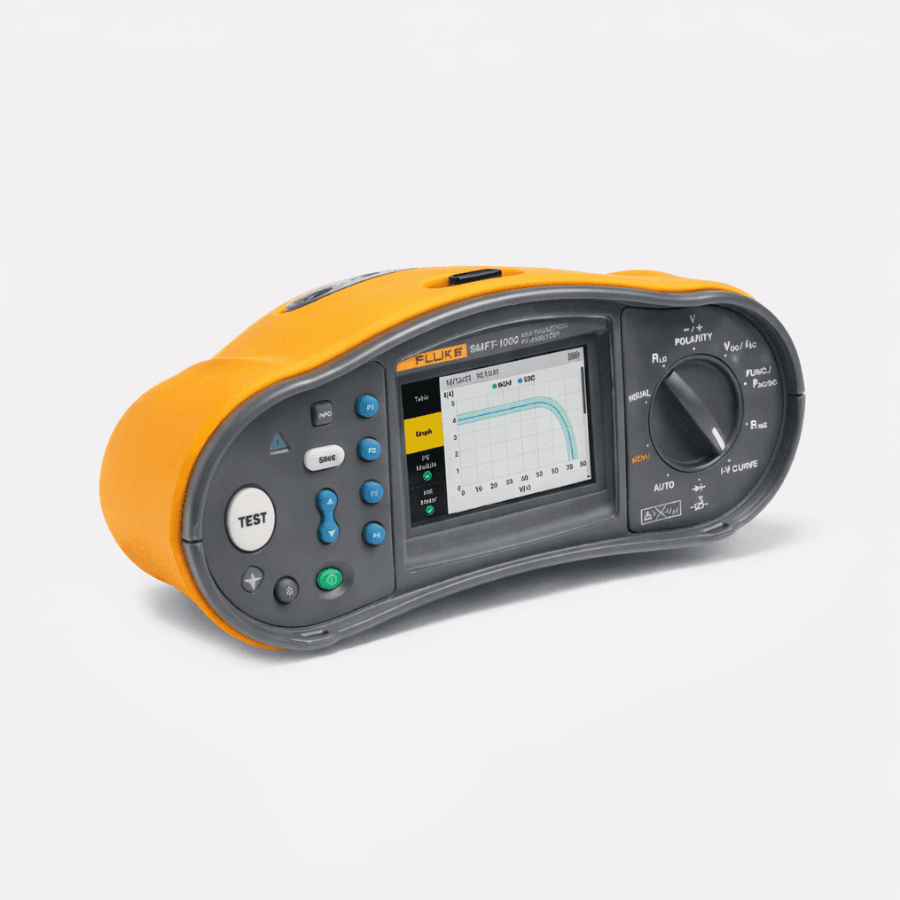
Reliable EV charger installation depends on accurate testing from setup to final checks. The Fluke SMFT-1000 and Fluke FEV500 help confirm safety and reduce faults.

The Fluke SMFT-1000 supports solar PV systems linked to EV charging, while the Fluke FEV500 validates charging stations. Using both tools helps ensure safe, reliable EV charging systems.

Fluke SMFT-1000 Solar Multifunction PV Analyser

Test and verify EV charging systems alongside solar PV installations with the Fluke SMFT-1000 Solar Multifunction PV Analyser (Lite Kit), delivering fast, accurate diagnostics of voltage, current and insulation. Its guided interface and data tools help identify faults early and maintain safe, compliant charging performance.

Buy Now >> £2,232.00 ex VAT

Fluke FEV500 Fast DC EV
Charging Station Analyser

Ensure reliable fast DC EV charging performance with the Fluke FEV500, delivering fast, accurate diagnostics of communication, power and safety systems. Its guided workflows and data tools help identify faults early and maintain compliant, efficient operation across multiple sites and networks in demanding environments.

Buy Now >> £7090.00 ex VAT

⚡ Why This Is Essential:

Ensuring EV chargers meet safety and compliance standards is critical for every installation. These tools help reduce errors during setup and minimise the risk of costly rework later.

They also support accurate testing of PV-linked charging systems, helping engineers verify performance with confidence. By identifying faults early, they improve long-term reliability and ensure systems operate safely and efficiently.

3. Dedicated Electrical Components

Beyond the charger and testing equipment, a reliable EV installation depends on supporting electrical infrastructure.

This includes a dedicated circuit, ensuring the charger can operate safely without overloading your home’s electrical system. Key components include:

  • Appropriately rated cabling
  • Isolation switches for safe maintenance
  • Circuit protection devices such as MCBs or RCBOs


A critical safety feature is the Residual Current Device (RCD), which disconnects power instantly if a fault is detected.

These systems must not only be installed correctly but also verified using appropriate testing equipment to ensure they function safely under fault conditions.

4. Cabling & Cable Routing

Cabling is essential for both performance and durability. Most installations use heavy-duty armoured cable for outdoor runs, providing protection against weather and physical damage.

Cable routing should:

  • Minimise distance from the consumer unit
  • Avoid strain or sharp bends
  • Protect against environmental exposure
  • Maintain a clean, professional finish

Once installed, cabling must be tested for insulation resistance and continuity to ensure long-term safety and reliability.

5. Location & Mounting Considerations

The location of your EV charger plays a key role in both usability and safety. Installers will typically position the unit close to the vehicle parking area to ensure the cable can reach comfortably without stretching or creating a trip hazard. It is also mounted at a practical height for everyday use, making it easy to plug in and disconnect the vehicle. A secure fixing point is essential, so the charger is usually installed on a solid surface such as brick or concrete to provide long-term stability and support.

In addition to accessibility, careful placement helps protect the charger from potential damage and environmental factors. The unit should be installed away from obstructions such as doors, windows, or walkways, and positioned in a location that avoids excessive exposure to water pooling, frost, or impact risks. Thoughtful positioning not only improves day-to-day convenience but also helps extend the lifespan of the charger, ensuring consistent and reliable performance over time.

6. Essential Tools for Detecting Electrical Issues

Before installation begins, a qualified electrician will assess your property to ensure it is suitable for an EV charger. These checks confirm that the existing electrical system can safely support the additional load and identify any issues before work starts.

Typical assessments include evaluating electrical supply capacity, inspecting the consumer unit, verifying earthing and bonding, and checking for shared supply considerations. Many of these steps involve initial testing to assess system performance and safety.

In practice, installers often use specialist tools to carry out these checks efficiently. Kits such as the Socket & See SOKDC32KIT allow for quick verification of supply conditions and socket integrity, while cable avoidance tools like the Radiodetection gCAT4+ help detect underground utilities before drilling or cable routing takes place.

Using the right equipment at this stage helps identify potential issues early, improving safety and ensuring a smoother installation process.

Reliable pre-installation checks rely on having the right tools to verify both electrical supply conditions and site safety. From testing socket integrity to detecting hidden underground services, purpose-built equipment helps installers work accurately, reduce risk, and ensure every EV charger installation starts on solid ground.

Radiodetection gCAT4+ Cable Avoidance Tool

Designed for excavation professionals, the gCAT4+ provides depth estimation when used with the optional Genny4 signal generator, enhancing safety and accuracy during digs. This device offers a robust solution for detecting cables and pipes that generate or don’t generate signals, ensuring comprehensive utility detection on-site.

Buy Now >> £950.00 ex VAT

Socket & See SOKDC32KIT Data Centre Kit

This all-in-one kit includes tools such as the Socket & See SOK40 Industrial Socket Tester, along with the SOK ADP40 and ADPC14B adaptors, ideal for verifying power supplies in EV charging installations. Designed for on-site use, it allows installers to check socket integrity, voltage, and wiring before connecting EV charge points.

Buy Now >> £166.00 ex VAT

6. Essential Tools for Detecting Electrical Issues

The installation process must follow strict safety procedures and regulatory standards.

This includes isolating the mains supply, installing cabling, mounting the charger, and making all electrical connections safely.

Once installed, the system undergoes full commissioning. At this stage, installers rely heavily on both multifunction testers and EV charge point testers to verify performance and compliance.

Industry-standard tools such as the Megger EVX100, EVCA210 and EVCC330, along with dedicated socket testers from Martindale, are commonly used to validate charging points and ensure safe operation under real-world conditions.

All testing must meet the requirements of BS 7671, ensuring the system is fully compliant before being put into use.

Megger EVX100 Electric Vehicle Charge-Point Adaptor

Designed for use with the MFT-X1 multifunction installation tester, this compact, battery-powered adaptor integrates directly with the tester, eliminating the need for interconnecting leads and reducing complexity during operation.

Buy Now >> £415.00 ex VAT

Megger EVCA210-UK Electric Vehicle Charge-Point Adaptor

The EVCA210-UK Adapter ensures the safety and functionality of electric vehicle charge points. Compatible with single and multifunction testers, it verifies both single and three-phase charge points, meeting IEC/EN standards.

Buy Now >> £320.00 ex VAT

Megger EVCC300 Electric Vehicle Charger
Checker

The EVCC300 introduces a new and convenient way of checking Electric Vehicle charge points. A simple all in one concept provides an easy to use solution to check both the safety and operation of mode 2 and single phase mode 3 EV chargers. 

Buy Now >> £625.00 ex VAT

Martindale CP201-32 Industrial Socket
Tester

The Martindale CP201-32 Industrial Socket Tester delivers fast and reliable checks for industrial single phase sockets. It helps identify wiring faults quickly, which supports safer working environments and reduces downtime.

Buy Now >> £71.00 ex VAT

6. Essential Tools for Detecting Electrical Issues

Modern EV chargers offer a range of smart features designed to improve efficiency, convenience, and overall control of your charging setup. These features not only enhance the user experience but also help optimise energy usage and reduce running costs over time.

These include:

  • App-based control and monitoring
  • Scheduled charging for off-peak rates
  • Energy usage tracking
  • Access control via RFID

In addition to these user-facing features, modern chargers also rely on internal diagnostics and communication systems to operate effectively. Proper testing during installation ensures these functions are configured correctly and working as intended from the outset.

Accurate test and measurement plays a key role in detecting electrical issues early, verifying system performance, and ensuring the charger responds correctly under different conditions. This helps deliver a seamless, reliable charging experience while reducing the risk of faults or unexpected downtime.

Final thoughts

Installing an EV charger at home is one of the most effective ways to improve the convenience of electric vehicle ownership—but it’s only as reliable as the system behind it.

From dedicated circuits and protective devices to specialist test and measurement equipment, every component plays a role in ensuring safe, efficient operation.

Accurate testing is what underpins a successful installation. By verifying performance at every stage, installers can reduce faults, ensure compliance, and deliver systems that are built to last.

For professionals, having access to the right tools—from EV charge point testers to multifunction analysers and cable detection equipment—is essential for delivering high-quality, compliant installations every time.